Oracle Autonomous Database

Oracle Autonomous Database

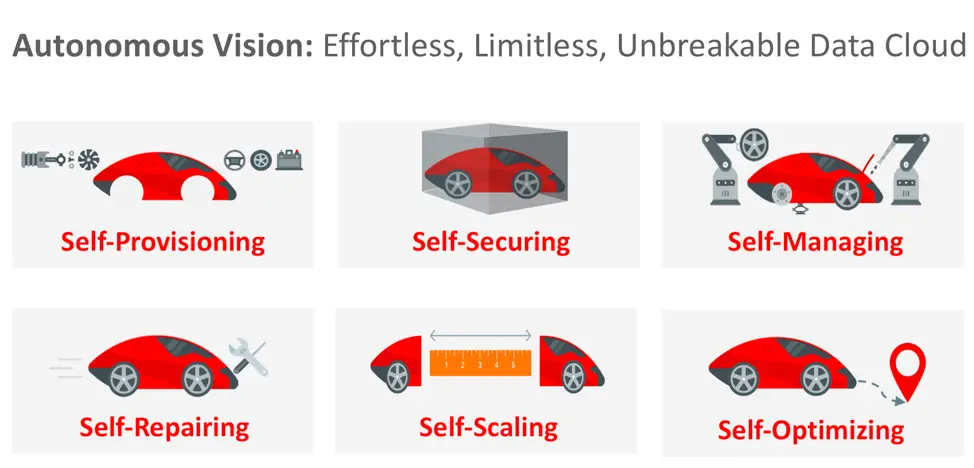
Introduction to the most modern cloud database in the market Oracle Autonomous Database is a cloud database that uses machine learning techniques to automate its tuning, security, backup, updates, and other management procedures traditionally carried out by a DBA. Unlike a conventional database, Autonomous performs all these and other activities without the need for human intervention. Why use Autonomous? Databases contain critical business data and are essential for the efficient operation of modern organizations. DBAs are often busy with repetitive and manual database management and maintenance activities. As administration activities increase, the risk of human error becomes higher with catastrophic consequences. ...


September 21, 2023 · 3 min · Enrico Pesce
Accessing an Autonomous Database from an OCI Function

Accessing an Autonomous Database from an OCI Function

After seeing how to create a custom image, in the previous case where we installed the Oracle client, now let’s try to use this custom image to connect to an Oracle database. We will make the most of the cloud capabilities. In this example, we will use the Infrastructure as Code (IaC) methodology to provide a real example of an easily replicable architecture for everyone. The “toautonomous” project is in the same GitHub repository used so far to talk about OCI Function fn-examples . The project’s README describes the infrastructure configuration procedure. ...

September 1, 2023 · 2 min · Enrico Pesce
OCI Function with a custom image

OCI Function with a custom image

As we have seen from my other articles, it is possible to use the FN project with different programming languages using predefined container images, the officially supported languages are: go java Node.js ruby Python C# you can do it with the runtime directive, for example: fn init --runtime python test the command will produce a func.yaml file of this type 1 2 3 4 5 6 7 8 schema_version: 20180708 name: hello version: 0.0.1 runtime: python build_image: fnproject/python:3.9-dev run_image: fnproject/python:3.9 entrypoint: /python/bin/fdk /function/func.py handler memory: 256 However, in some cases, the predefined images are not sufficient, either for extra language support, extra drivers, or other missing tools. ...

May 12, 2023 · 2 min · Enrico Pesce
Trigger a function by Object Storage

Trigger a function by Object Storage

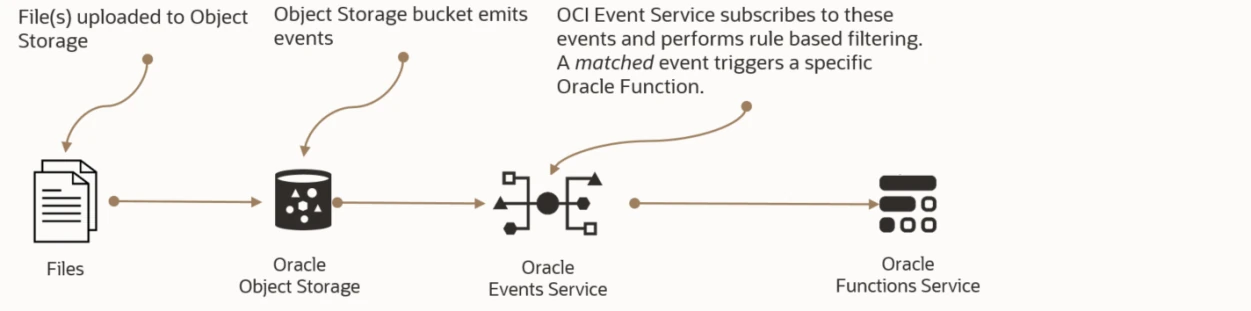
The OCI Function service allows you to run code on infrastructure that you don’t have to manage. In this link I presented a basic example of an OCI function developed in Python. A very interesting feature is that functions can be automatically invoked by other services through an event, so we can also execute code in response to an action in the OCI cloud, or use a function as a link between multiple cloud services that can form a complex workload. ...

April 20, 2023 · 2 min · Enrico Pesce
OCI Functions a Python example

OCI Functions a Python example

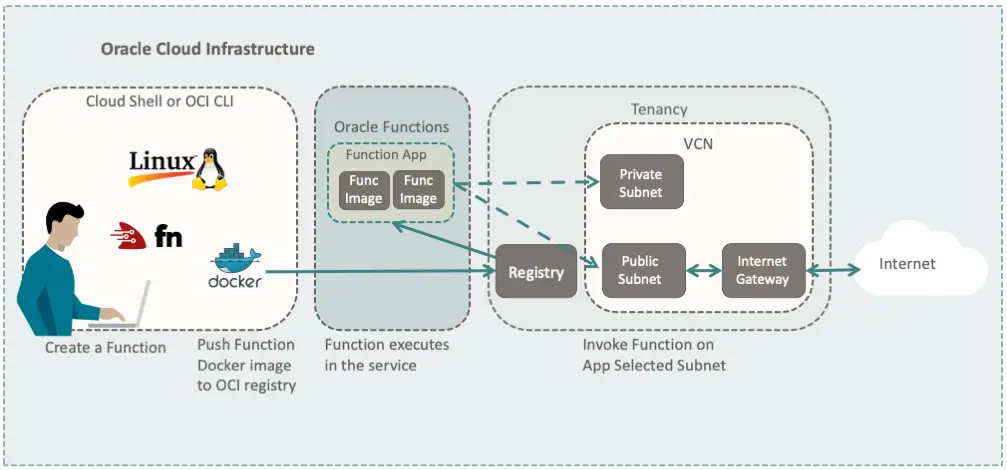
The OCI Function service allows you to run code on an infrastructure that you don’t have to manage, in a scalable and automated way. This concept is called “serverless” because the end user will no longer have to worry about managing any infrastructure to run his own code. OCI implements what is the FN open source project, the project has been integrated with Oracle cloud services and is based on the execution of code inside a container, therefore it can potentially support any programming language and any type of container on x86 architecture, moreover, it is not strictly linked with the Oracle infrastructure and you can easily switch between different FN environments. ...

March 20, 2023 · 4 min · Enrico Pesce
IAM Identity domains

SAML authentication on OpenVPN with OCI IAM identity domains

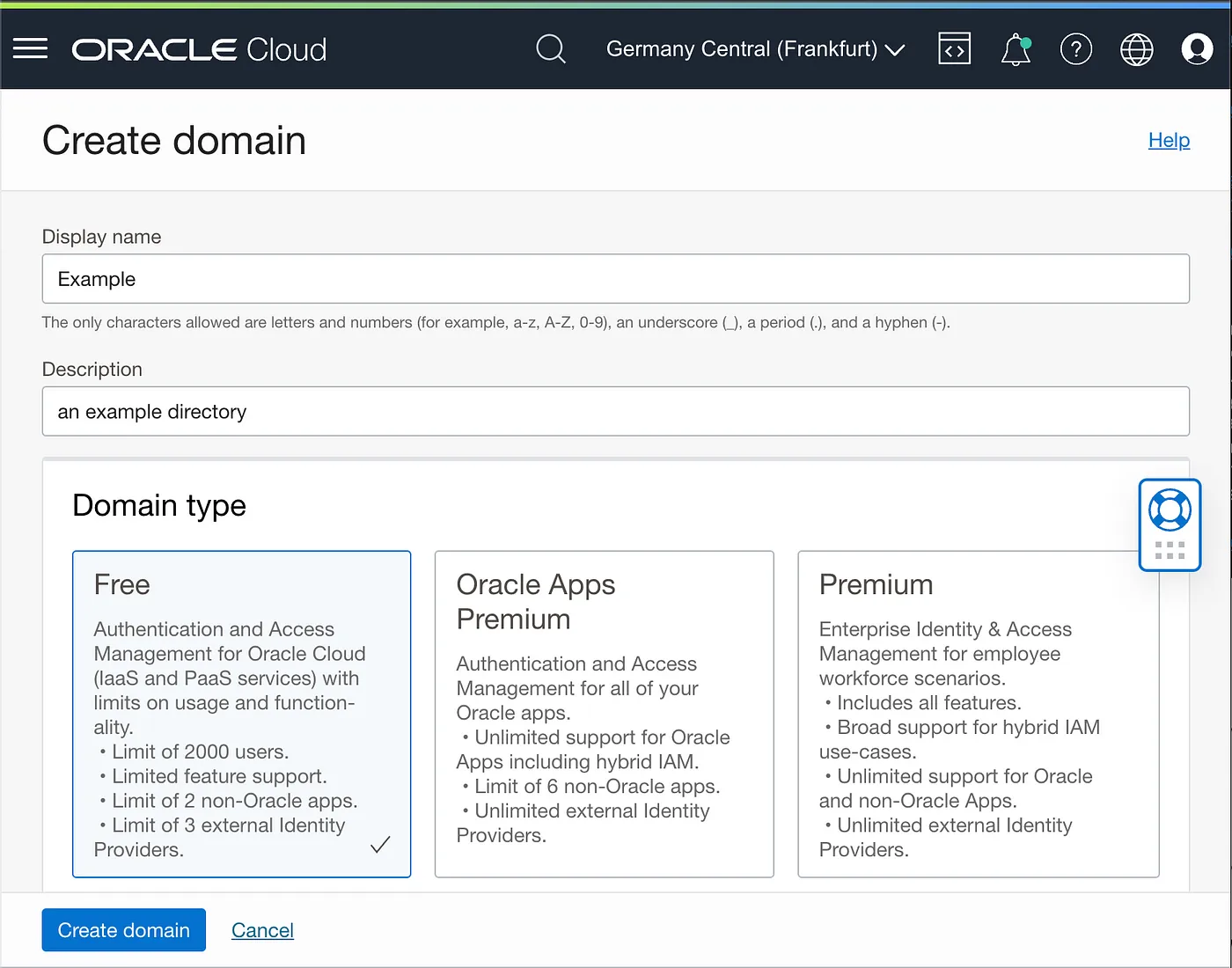
Identity and access management is a crucial goal in a growing organization. In addition to the requirement to simplify user management and improve security, integrating with external services is becoming increasingly relevant. Oracle OCI offers a comprehensive service for managing identity and access called IAM with Identity Domains In the specifics: An identity domain is a container for managing users and roles, federating and provisioning of users, secure application integration through Oracle Single Sign-On (SSO) configuration, and SAML/OAuth based Identity Provider administration. It represents a user population in Oracle Cloud Infrastructure and its associated configurations and security settings (such as MFA). ...

January 20, 2023 · 2 min · Enrico Pesce